



A pinched nerve felt in the shoulder is typically caused by cervical radiculopathy, which is compression or inflammation of a nerve root in the lower neck. Mild cases often resolve within a few weeks through conservative rest, targeted decompression, and anti-inflammatories. Proper diagnostic tracking is essential to prevent long-term muscle weakness.
That burning, electric sensation spreading from your neck across your shoulder blade is not random. It follows a precise neurological map, and understanding that map is the difference between recovering quickly and inadvertently making the problem worse. This guide breaks down exactly what is happening inside your spine, how to distinguish a pinched nerve from other common shoulder conditions, and the clinically grounded steps for safe recovery.
The Root Anatomy: Why a Neck Issue Feels Like a Shoulder Problem
The Cervical Connection: How Nerve Roots Project Pain Across the Shoulder
The cervical spine contains a dense network of nerve roots that branch outward from the spinal cord through narrow bony openings called intervertebral foramina. These roots converge to form the brachial plexus, a bundle of nerves that supplies sensation and motor function to the entire upper extremity.
When nerve roots at specific cervical levels become compressed, the pain does not stay confined to the neck. C5 compression typically produces pain and weakness across the outer shoulder and deltoid. C6 irritation sends discomfort down the thumb and radial forearm. C7 involvement often targets the triceps and middle finger. This neurological referral pattern explains why a structural problem in the neck registers as a vivid, sometimes overwhelming sensation in the shoulder, shoulder blade, or arm.
Primary Structural Drivers: What Actually Compresses the Nerve
Three structural conditions account for the majority of cervical nerve root compressions. Cervical disc herniation occurs when the soft inner gel of an intervertebral disc pushes through its outer fibrous wall and contacts the adjacent nerve root. Bone spurs, technically called osteophytes, form as a byproduct of degenerative disc disease and can gradually narrow the foraminal opening through which nerve roots exit. Degenerative disc disease itself describes the progressive loss of disc height and hydration, which reduces the natural cushioning space between vertebrae and increases the risk of neural compression over time.
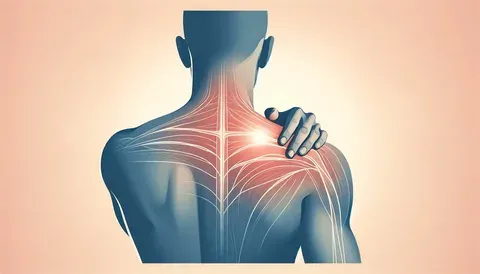
What Does a Pinched Shoulder Nerve Feel Like?
The Pain Signature
Cervical radiculopathy produces a recognizable sensory profile that distinguishes it clearly from muscular or joint-based pain. The discomfort is typically sharp, electric, or burning in quality. Many patients describe a shooting sensation that travels from the base of the neck downward along the shoulder blade and sometimes continues past the elbow. Neck movements, particularly side bending or rotation toward the affected side, frequently intensify the pain. This directional sensitivity is a strong clinical indicator that the origin is neurological rather than orthopedic.
Neurological Deficits: More Than Just Pain
Pain is often the most prominent symptom, but the neurological consequences extend further. Localized numbness and “pins and needles” tingling along a specific dermatome pathway are common. Motor deficits appear in more significant compressions. Difficulty lifting the arm outward against resistance (testing the deltoid at C5), weakened grip strength, or trouble extending the wrist can all indicate meaningful nerve root involvement. When muscle weakness is present and persistent, prompt clinical evaluation becomes a priority rather than an option.
Pinched Nerve vs. Rotator Cuff Tear vs. Frozen Shoulder
Treating the wrong condition wastes recovery time at best, and actively worsens the underlying problem at worst. Applying rotator cuff rehabilitation exercises to an irritated nerve root, for example, can amplify neural tension and provoke significant setbacks.
| Diagnostic Marker | Pinched Nerve (Cervical Radiculopathy) | Rotator Cuff Tear / Injury | Frozen Shoulder (Adhesive Capsulitis) |
| Pain Catalyst | Triggered by moving, tilting, or rotating the neck | Triggered strictly by moving the arm (reaching overhead or behind the back) | Pain occurs during both active and passive arm movements; severe night pain |
| Sensation Quality | Electric, shooting, burning, accompanied by tingling / numbness | Deep, dull, aching pain localized directly inside the shoulder joint | Global, severe, throbbing stiffness with a distinct physical block |
| Range of Motion | Full arm rotation is mechanically possible, though it may trigger nerve pain | Active range is limited by weakness; passive range is intact | Both active and passive movement are completely locked in multiple directions |
| Pain Pathway | Radiates from the neck, down the shoulder blade, and often past the elbow | Stays localized to the outer deltoid and upper arm; rarely travels below the elbow | Strictly localized within the glenohumeral joint capsule |
The Safe Decompression and Recovery Protocol
Recovering from cervical nerve root compression requires a sequenced approach. Rushing any single stage can reintroduce mechanical stress before inflammation has sufficiently resolved.
Step 1: Enforce Neutral Postural Alignment (First 48 Hours)
Stop all overhead lifting, heavy carrying, and repetitive neck twisting immediately. Sleep on your back or your unaffected side, using a supportive contour pillow that maintains your neck in neutral alignment parallel to the mattress. Positions that load the cervical spine asymmetrically keep the compressed foramen narrowed and sustain the inflammatory cycle.
Step 2: Apply Targeted Cryotherapy (15 to 20 Minutes, 3x Daily)
Place an ice pack wrapped in a thin towel at the base of the neck and upper shoulder region. Cold therapy constricts local blood vessels, which directly slows the inflammatory cascade releasing the chemical irritants that aggravate the nerve root. Heat application is contraindicated during the acute phase, as vasodilation can amplify swelling around the compressed structure.
Step 3: Perform Ultra Gentle Axial Traction (Post Acute Phase)
Once the sharpest symptoms begin to subside, introduce gentle chin tucks. Draw the head straight backward to create a “double chin” position. This movement naturally opens the intervertebral foramina, reducing direct mechanical pressure on the exiting nerve root. The motion should be slow and deliberate. Any movement that triggers sharp radiating pain should be stopped immediately.
Step 4: Modify Ergonomic Inputs (Ongoing Care)
Elevate computer monitors to eye level so extended downward gaze is eliminated. Avoiding prolonged forward head posture while using a mobile phone is equally important. Biomechanical research has demonstrated that forward head posture can multiply the effective mechanical load on the cervical discs by up to five times, converting an otherwise manageable compression into a chronically aggravated one.
Red Flags: When a Pinched Nerve Demands Clinical Attention
Immediate Warning Signs
Certain symptoms require prompt medical evaluation rather than home management. Progressive loss of motor control, such as dropping objects unexpectedly or visible muscle wasting in the shoulder or arm, indicates worsening nerve root compression. Radiating pain traveling down both arms simultaneously may signal central spinal cord involvement rather than isolated radiculopathy. Any bowel or bladder dysfunction accompanying neck or shoulder symptoms constitutes a neurological emergency requiring urgent assessment.
Advanced Medical Interventions
When conservative measures fail to produce meaningful improvement after six to twelve weeks, clinicians may consider escalated interventions. Prescription muscle relaxants address the protective muscular guarding that sustains compressive forces on the spine. Physical therapy targeting cervical stabilization builds the muscular support structures that offload the affected disc and foramen. Epidural steroid injections deliver concentrated anti-inflammatory medication directly to the site of nerve root irritation, providing relief that facilitates functional rehabilitation. Surgical decompression, including anterior cervical discectomy and fusion (ACDF) or laminoforaminotomy, is reserved for cases involving significant motor deficits, progressive neurological decline, or structural instability unresponsive to conservative care.
Getting Your Recovery Right from the Start
A pinched nerve in the shoulder resolves well for the majority of people who manage it correctly and catch the warning signs early. The critical factor is accurate identification. Knowing whether your pain originates from a compressed cervical nerve root, a torn rotator cuff, or a frozen shoulder capsule determines every subsequent decision, from the exercises you attempt to the specialists you consult.
Start with the conservative protocol outlined above. Track your symptoms honestly. If neurological deficits appear or worsen, or if pain has not meaningfully improved within four to six weeks, schedule a clinical evaluation. Imaging such as MRI provides definitive structural detail and rules out conditions requiring immediate intervention. Recovery from cervical radiculopathy is genuinely achievable with the right sequence, the right patience, and the right information guiding each step—whether you are dealing with nerve issues or managing related symptoms like MAV dizziness for complete neurological health.
Frequently Asked Questions
How long does a pinched nerve in the shoulder take to heal?
Mild to moderate cervical radiculopathy typically resolves within four to twelve weeks with consistent conservative management, including rest, postural correction, and targeted anti-inflammatory measures. Cases involving significant disc herniation or structural stenosis may require longer timelines or clinical intervention.
Can I exercise with a pinched nerve in my shoulder?
Light walking and gentle range of motion exercises for the lower body are generally safe. Avoid overhead lifting, pulling exercises, or any movement that requires the neck to sustain a flexed, extended, or rotated position under load until acute symptoms have resolved.
Is heat or ice better for a pinched nerve in the shoulder?
Ice is preferable during the acute inflammatory phase (first 48 to 72 hours). Cold therapy reduces local swelling and slows the chemical irritation of the nerve root. Heat may be introduced later to relax surrounding musculature once acute inflammation has subsided, but it should not be the first intervention applied.
What sleeping position is safest with cervical radiculopathy?
Sleeping on your back with a cervical contour pillow, or on the unaffected side with a pillow maintaining neutral neck alignment, minimizes nocturnal compression on the affected nerve root. Stomach sleeping forces prolonged cervical rotation and is the most mechanically stressful position for compressed nerve roots.
When should I see a doctor for a pinched nerve in the shoulder?
Seek clinical evaluation promptly if you experience progressive muscle weakness, numbness that does not fluctuate, radiating pain in both arms at once, or any bowel or bladder changes alongside your shoulder symptoms. These patterns indicate more serious neurological involvement that requires imaging and specialist assessment.
Continue exploring expert-written articles on everyday health topics by visiting our health knowledge center.