


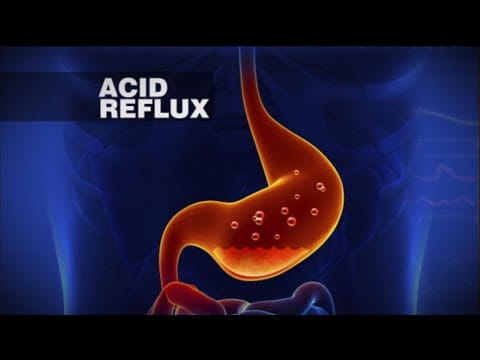
Cabvon (vonoprazan) is a potassium-competitive acid blocker (P-CAB) that treats erosive esophagitis, persistent acid reflux (GERD), and H. pylori bacterial infections. Unlike traditional proton pump inhibitors, Cabvon delivers full acid suppression from the very first dose, requires no meal timing, and maintains stable stomach pH throughout the night.
Chronic heartburn sounds manageable until it isn’t. For millions of patients dealing with recurrent acid damage, the standard treatment playbook—antacids, then PPIs, then dose escalations—sometimes fails to deliver consistent relief. Meals become calculated risks. Sleep gets interrupted by burning discomfort. And older medications, although effective for many, carry a frustrating limitation: they need several days of continuous use before reaching their full therapeutic effect.
Cabvon represents a structural departure from that older model. Vonoprazan, the active compound in Cabvon, belongs to a newer pharmacological class called potassium-competitive acid blockers. These work through a fundamentally different cellular mechanism, one that does not depend on prior acid activation or strict meal timing to function correctly.
This article breaks down everything clinically relevant about Cabvon: how it works at the molecular level, how it compares to conventional PPIs, which conditions it treats, how to take it safely, and what side effects to watch for.
What Is Cabvon and How Does It Work in the Stomach?
At the core of stomach acid production sits an enzyme called the H⁺/K⁺ ATPase, commonly referred to as the acid pump. This enzyme, located in parietal cells lining the stomach wall, drives hydrogen ions into the gastric lumen in exchange for potassium ions, a process that generates hydrochloric acid.
Vonoprazan blocks this pump through potassium-competitive inhibition. Rather than forming a covalent bond with the enzyme (as PPIs do), vonoprazan occupies the potassium-binding site directly, preventing the ion exchange that acid production depends on. The result is near-immediate suppression of acid output, beginning within hours of the first dose.
This stands in sharp contrast to proton pump inhibitors like omeprazole or pantoprazole. PPIs are prodrugs: they require an acidic environment inside the stomach canaliculus to become pharmacologically active. That dependency means PPIs take three to five days of continuous dosing to reach peak effect, and they tend to lose some efficacy overnight when acid secretion patterns shift. Vonoprazan carries no such constraint. It binds independently of ambient pH levels and maintains a longer residence time in parietal cells, translating to more consistent round-the-clock acid control.
How Does Cabvon Compare to Traditional PPIs Like Omeprazole?
The differences between vonoprazan and standard PPIs are clinically meaningful, particularly for patients who have experienced nocturnal acid breakthrough or inconsistent symptom control on first-line therapy.
| Feature | Cabvon (Vonoprazan) | Standard PPIs (e.g., Omeprazole) |
| Drug Class | Potassium-Competitive Acid Blocker (P-CAB) | Proton Pump Inhibitor (PPI) |
| Speed to Peak Action | First dose (full effect within hours) | 3 to 5 days of continuous dosing |
| Meal Dependency | Take anytime (with or without food) | Must take 30 to 60 minutes before meals |
| Nighttime Acid Control | High stability overnight | Frequent nocturnal acid breakthrough |
| Enzyme Activation | Does not require acid activation | Requires active acid secretion to activate |
For patients with severe erosive esophagitis or those who have had incomplete responses to standard PPI regimens, this pharmacokinetic profile makes Cabvon a clinically stronger candidate. The ability to take it regardless of meal timing also removes a common compliance barrier that undermines PPI effectiveness in real-world settings.
What Medical Conditions Are Treated with Cabvon?
Cabvon is approved for use across several distinct gastroenterological indications:
Erosive Esophagitis: Repeated acid exposure causes visible breaks and ulcerations in the esophageal mucosa. Cabvon reduces acid output sufficiently to allow these tissue injuries to heal. Clinical trials evaluating vonoprazan have demonstrated high healing rates at both four and eight weeks of treatment.
Non-Erosive GERD: Some patients experience persistent heartburn and reflux symptoms without measurable tissue damage. Cabvon addresses the underlying acid hypersecretion driving those symptoms.
H. pylori Eradication: Vonoprazan is used as the acid-suppressing backbone in combination antibiotic regimens targeting Helicobacter pylori, typically paired with amoxicillin and clarithromycin. Maintaining high intragastric pH is critical to antibiotic stability during H. pylori eradication therapy, and vonoprazan performs this function more reliably than PPIs in several comparative studies.
Gastric Ulcers: Cabvon supports healing of active gastric ulcers by creating a sustained low-acid environment, reducing the corrosive burden on the damaged stomach lining.
If you are researching other injectable or acute-care medications used in hospital settings, the Yonopress (Vasopressin Injection) clinical guide at TrustedTopics offers a comparable breakdown of mechanism, dosing, and critical care applications.
How Should You Take Cabvon for Safe and Effective Results?
Consistent administration is the single most important behavioral factor in Cabvon therapy. Prescribed courses typically span four to eight weeks for erosive esophagitis, though your treating physician may adjust this based on endoscopic findings and symptom severity.
A few practical rules govern safe use:
Swallow tablets whole. Unless a healthcare provider explicitly instructs otherwise, do not crush or chew Cabvon tablets, as this can disrupt the release profile of the active compound.
Take it at the same time each day. Vonoprazan does not require meal timing coordination, but a consistent daily schedule reinforces the stability of acid suppression.
Complete the full course. This is where many patients go wrong. Heartburn symptoms often ease within the first few days of treatment, which creates a temptation to stop early. Stopping prematurely before the prescribed eight-week course ends leaves esophageal mucosal healing incomplete, increasing relapse risk significantly.
To illustrate the contrast clearly: a patient who takes Cabvon only when acute heartburn flares up, then discontinues after two days because symptoms temporarily subside, is unlikely to achieve full esophageal healing. A patient who takes Cabvon once daily at a consistent time for the complete eight-week course gives the gastric mucosa the sustained low-acid environment it needs to repair fully.
For broader context on how procedural and pharmacological interventions support tissue healing in the gastrointestinal and oral cavity space, the RCTS Dental root canal treatment guide at TrustedTopics offers a useful parallel look at tissue-level repair protocols.
What Are the Common Side Effects and Drug Interactions of Cabvon?
Cabvon is generally well tolerated, but awareness of its safety profile is essential before starting therapy.
Common adverse effects include mild diarrhea, stomach discomfort, nausea, and headache. Most of these are transient and tend to resolve as the body adjusts to sustained acid suppression.
Drug interactions require attention for patients on complex medication regimens. Because vonoprazan significantly raises intragastric pH, it can alter the absorption of medications that depend on an acidic stomach environment to dissolve and absorb correctly. This includes certain antifungal agents (such as ketoconazole and itraconazole) and some antiretroviral medications used in HIV management. Patients on these drugs should consult their prescribing physician before starting Cabvon.
Long-term monitoring: Prolonged acid suppression with any potent acid-blocking agent, including vonoprazan, can elevate serum gastrin levels. This occurs because reduced acid production triggers a compensatory hormonal response. Clinicians typically monitor gastrin levels and assess for gastric mucosal changes in patients requiring extended therapy beyond standard course durations.
The Right Tool for Resistant Acid Conditions
Cabvon occupies a specific and valuable niche in gastroenterological pharmacotherapy. Its potassium-competitive mechanism sidesteps the activation dependency and erratic nighttime control that limit conventional PPIs. For patients with treatment-resistant GERD, severe esophageal erosions, or H. pylori infections requiring robust acid suppression during antibiotic therapy, vonoprazan offers a mechanistically superior option backed by clinical evidence.
That said, no acid suppression therapy should be self-prescribed or continued indefinitely without medical oversight. Always consult a licensed physician or gastroenterologist to confirm whether Cabvon is the appropriate treatment for your specific diagnosis, existing medications, and overall health profile.
For more evidence-based health guides covering medications, symptoms, and clinical conditions, visit the TrustedTopics Health section.
Frequently Asked Questions
How fast does Cabvon start working to reduce stomach acid?
Cabvon begins suppressing stomach acid within hours of the first dose. Unlike proton pump inhibitors, which require three to five days of continuous dosing to reach peak effect, vonoprazan achieves near-full acid inhibition on day one due to its direct, pH-independent binding mechanism.
Do I need to take Cabvon on an empty stomach?
No. Cabvon can be taken with or without food. Meal timing does not affect its activation or absorption, which is one of its key practical advantages over traditional PPIs that must be taken 30 to 60 minutes before eating.
Can Cabvon be taken alongside antibiotics for H. pylori?
Yes. Vonoprazan is specifically used as the acid-suppressing component in H. pylori eradication regimens. It is typically combined with amoxicillin and clarithromycin. Its ability to maintain consistently high intragastric pH improves antibiotic stability and eradication success rates.
What should I do if I miss a daily dose of Cabvon?
Take the missed dose as soon as you remember, unless it is nearly time for your next scheduled dose. In that case, skip the missed dose and resume your regular schedule. Do not double the dose to compensate, as this does not accelerate healing and may increase the risk of side effects.
Is Cabvon safe to take for long-term GERD maintenance?
Cabvon is primarily studied for short-to-medium course use (four to eight weeks). Long-term maintenance therapy requires medical supervision due to potential effects on serum gastrin levels and gastric mucosal changes associated with prolonged acid suppression. Discuss the risks and benefits of extended use with your gastroenterologist.
Antacids (such as calcium carbonate or magnesium hydroxide) neutralize stomach acid that has already been produced, providing quick but short-lived relief. Cabvon suppresses acid production at its cellular source through the H⁺/K⁺ ATPase enzyme, delivering sustained, stable reduction in acid output over 24 hours rather than temporary symptom masking—much like how a bone graft for tooth implant provides long-term structural support for oral health procedures.