


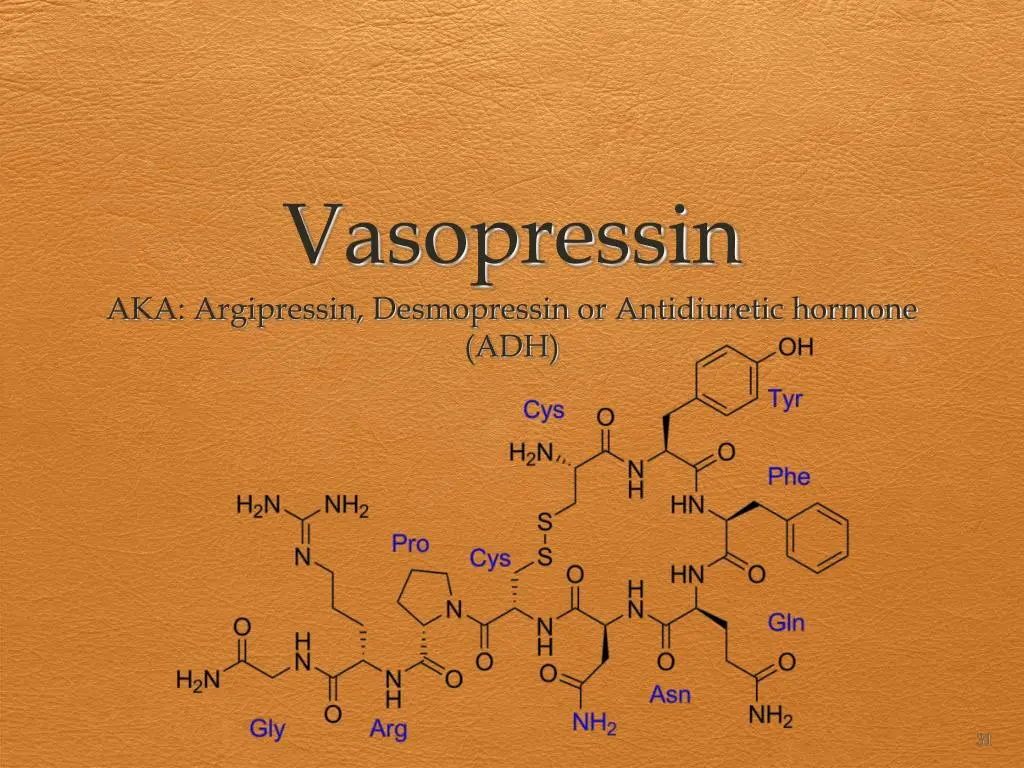
Yonopress is a synthetic vasopressin (antidiuretic hormone) injection used in intensive care settings to treat vasodilatory shock and central diabetes insipidus. Yonopress raises blood pressure by constricting peripheral blood vessels via V1 receptors and reduces urine output by activating renal V2 receptors to promote water reabsorption.
Vasopressin has been a cornerstone of critical care pharmacology for decades. Yet Yonopress, as a concentrated, hospital-grade synthetic formulation of this endogenous hormone, remains one of the most potent and carefully managed vasopressors in the modern intensive care unit (ICU). For critical care nurses, intensivists, and clinical pharmacists, understanding the precise receptor pharmacology, appropriate dosing protocols, and potentially lethal complications of Yonopress is not optional. It is essential.
This post breaks down everything clinicians need to know: the cellular mechanism behind Yonopress, its two primary indications, ICU-specific administration protocols, and the most critical safety warnings that govern its use in hemodynamically unstable patients.
What Is Yonopress and How Does It Work at the Cellular Level?
Yonopress is a synthetic brand formulation of vasopressin, also known as antidiuretic hormone (ADH). The endogenous form of vasopressin is naturally produced by the hypothalamus and released from the posterior pituitary gland. In pathological states such as septic shock, endogenous vasopressin stores become depleted rapidly, and exogenous supplementation through Yonopress becomes medically necessary.
Yonopress is typically supplied as a 20 Units/mL concentration in a 1 mL ampoule, requiring precise, individualized titration by a licensed healthcare professional.
How Does Yonopress Differ From Norepinephrine and Other Catecholamine Vasopressors?
Unlike catecholamine vasopressors such as norepinephrine or dopamine, which achieve hemodynamic stabilization by binding alpha-adrenergic and beta-adrenergic receptors, Yonopress bypasses the adrenergic pathway entirely. This independence from adrenergic receptors makes Yonopress highly effective during refractory shock states, where prolonged catecholamine exposure has exhausted or downregulated receptor sensitivity.
Yonopress activates three distinct receptor subtypes, each producing a clinically significant physiological response:
V1 Vascular Receptors (Located on Vascular Smooth Muscle Cells)
- Trigger intracellular calcium release upon vasopressin binding
- Cause direct contraction of arteriolar smooth muscle
- Produce rapid increases in systemic vascular resistance (SVR) and mean arterial pressure (MAP)
V2 Renal Receptors (Located on the Basolateral Membrane of the Kidney’s Collecting Ducts)
- Promote the upregulation of aquaporin-2 water channels upon vasopressin binding
- Drive solute-free water reabsorption from the renal tubule back into systemic circulation
- Produce a measurable, often dramatic reduction in urine output volume and increase in urine osmolality
V3 Pituitary Receptors (Located in the Anterior Pituitary Gland)
- Stimulate the co-release of adrenocorticotropic hormone (ACTH) upon vasopressin binding
- Modulate the systemic stress response and endogenous cortisol regulation during states of physiological crisis
What Are the Primary Clinical Indications for Yonopress in the ICU?
Vasodilatory Shock: Septic Shock and Post-Cardiotomy Vasoplegic Syndrome
Vasodilatory shock, including septic shock and post-cardiotomy vasoplegic syndrome, represents the primary indication for Yonopress infusion in critical care settings. In these conditions, massive systemic vasodilation caused by inflammatory mediators, endotoxins, or cardiopulmonary bypass results in a catastrophic fall in mean arterial pressure that conventional fluid resuscitation alone cannot correct.
Yonopress is introduced as an adjunctive vasopressor when norepinephrine at escalating doses fails to restore adequate blood pressure.
Standard ICU Infusion Protocol for Vasodilatory Shock:
- Route of administration: Continuous intravenous (IV) infusion via central venous catheter
- Standard infusion rate: 0.03 to 0.04 Units/minute
- Titration guidance: Doses above 0.04 Units/minute are generally avoided due to significant risk of myocardial ischemia and mesenteric ischemia from excessive vasoconstriction
Central Diabetes Insipidus
Central diabetes insipidus is a neuroendocrine disorder resulting from insufficient endogenous ADH secretion by the posterior pituitary gland, producing extreme polyuria (excessive urination) and polydipsia (unmanageable thirst). Yonopress provides direct symptomatic control by replacing the deficient hormone exogenously.
Standard Dosing Protocol for Central Diabetes Insipidus:
- Routes of administration: Subcutaneous (SC) injection or intramuscular (IM) injection
- Typical adult dose: 5 to 10 Units per administration
- Frequency: Repeated 2 to 3 times daily, titrated individually based on real-time urine output response and plasma osmolality monitoring
What Are the Critical ICU Administration Protocols for Yonopress?
Because Yonopress causes extreme vasoconstriction of peripheral blood vessels, any extravasation event (leakage of the drug from the vein into surrounding tissue) carries a high risk of localized ischemic necrosis. The following four-step extravasation response protocol is considered standard clinical practice:
Step 1: Establish Central Line Access as the Preferred Route
- Administer continuous Yonopress infusions through a secure central venous catheter whenever clinically feasible
- Central line placement substantially reduces the risk of peripheral extravasation into fragile subcutaneous tissue
Step 2: Halt the Infusion Immediately at the First Sign of Extravasation
- Monitor the infusion site continuously for blanching (localized whitening of the skin), swelling, cold skin temperature, or patient-reported injection site pain
- Discontinue the infusion pump immediately if any of these signs appear
- Do not remove the catheter or needle at this stage
Step 3: Aspirate Residual Drug From the Catheter Before Removal
- Attach a small, sterile syringe to the existing IV hub
- Gently draw back on the plunger to aspirate as much of the residual concentrated vasopressin solution as possible from the tissue track before removing the catheter
Step 4: Administer Phentolamine as a Local Antidote
- Infiltrate the affected extravasation site with phentolamine, an alpha-adrenergic blocking agent, using a fine-gauge needle
- Phentolamine reverses localized vasoconstriction by competitively blocking alpha receptors in the affected tissue
- This intervention restores capillary blood flow and oxygen delivery, preventing progression to full-thickness tissue necrosis
What Are the Most Dangerous Side Effects of Yonopress?
Water Intoxication and Hyponatremia: The Silent ICU Emergency
The most life-threatening complication associated with Yonopress administration is hyponatremia caused by water intoxication. Because Yonopress instructs the renal collecting ducts to aggressively reabsorb free water back into systemic circulation via aquaporin-2 channels, excess water accumulates in the bloodstream, diluting serum sodium to critically low levels.
Early Warning Signs of Water Intoxication to Monitor:
- Subtle drowsiness or uncharacteristic lethargy
- Listlessness and reduced responsiveness
- Persistent, throbbing headache
- Nausea without an identifiable gastrointestinal cause
Left undetected without regular serum electrolyte monitoring, hyponatremia caused by Yonopress can escalate with alarming speed. Severe hyponatremia produces cerebral edema, generalized tonic-clonic seizures, loss of consciousness, and, in unmanaged cases, terminal coma.
Key Clinical Safety Measures:
- Strict restriction of total fluid intake throughout the duration of Yonopress therapy
- Scheduled serum sodium and plasma osmolality testing at regular intervals
- Immediate dose reduction or cessation of Yonopress infusion if hyponatremia is detected
Additional Adverse Effects Requiring Monitoring:
- Myocardial ischemia from excessive coronary vasoconstriction at supratherapeutic doses
- Mesenteric ischemia causing bowel infarction with prolonged high-dose infusion
- Cutaneous necrosis at the injection or infusion site secondary to extravasation events
- Hypertension exceeding target MAP goals in patients with pre-existing cardiovascular disease
Yonopress in Clinical Practice: What Every ICU Team Should Prioritize
Yonopress occupies a precise and irreplaceable role in critical care pharmacology. Its adrenergic-independent mechanism of action gives intensivists a powerful tool for managing refractory vasodilatory shock when catecholamine monotherapy reaches its limits. Its renal V2 activity makes Yonopress the pharmacological cornerstone of central diabetes insipidus management in acute hospital settings.
Consult the prescribing guidelines issued by your institutional pharmacy and therapeutics committee before initiating Yonopress therapy. For patients in vasodilatory shock, review current Surviving Sepsis Campaign (SSC) guidelines on vasopressor selection and escalation. For central diabetes insipidus management, refer to the clinical frameworks published by the Endocrine Society for individualized dosing decisions.
Frequently Asked Questions About Yonopress (Vasopressin Injection)
What is Yonopress used for in the ICU?
Yonopress is used in the ICU primarily as an adjunctive vasopressor for vasodilatory shock, including septic shock and post-cardiotomy vasoplegic syndrome. Yonopress is also used to manage central diabetes insipidus by replacing deficient antidiuretic hormone (ADH) and reducing excessive urinary water loss.
What is the standard Yonopress infusion rate for septic shock?
The standard ICU infusion rate for Yonopress in septic shock is 0.03 to 0.04 Units/minute, delivered as a continuous intravenous infusion through a central venous catheter. Doses above this range are associated with an elevated risk of myocardial ischemia and mesenteric ischemia.
Why is Yonopress more effective than norepinephrine in refractory shock?
Yonopress activates V1 vascular receptors through a pathway that is entirely independent of alpha-adrenergic and beta-adrenergic receptors. In prolonged shock states, adrenergic receptor downregulation reduces norepinephrine efficacy. Yonopress bypasses this limitation entirely, restoring vascular tone through a separate intracellular calcium-dependent mechanism.
What is the risk of water intoxication with Yonopress?
Yonopress stimulates renal V2 receptors to promote aquaporin-2 channel insertion in the collecting duct, driving aggressive water reabsorption. When fluid intake is not restricted concurrently, this causes dilutional hyponatremia, also known as water intoxication. Early symptoms include drowsiness, headache, and lethargy. Severe untreated hyponatremia can cause seizures and coma.
What should a nurse do if Yonopress extravasates into the tissue?
If Yonopress extravasates, the nurse should immediately stop the infusion pump, aspirate residual drug from the IV catheter using a sterile syringe before removal, and infiltrate the affected area with phentolamine to reverse localized vasoconstriction and restore oxygen delivery to the ischemic tissue.
Can Yonopress be administered through a peripheral IV line?
Central venous catheter access is strongly preferred for continuous Yonopress infusions due to the high risk of peripheral extravasation and resulting tissue ischemia. Peripheral IV administration may be used only when central access is temporarily unavailable and with intensive monitoring of the injection site. For families managing clinical care while planning for the future, related health guides such as when can I know the sex of the baby can offer helpful timeline information on fetal development milestones.
Continue exploring expert-written articles on everyday health topics by visiting our health knowledge center.