


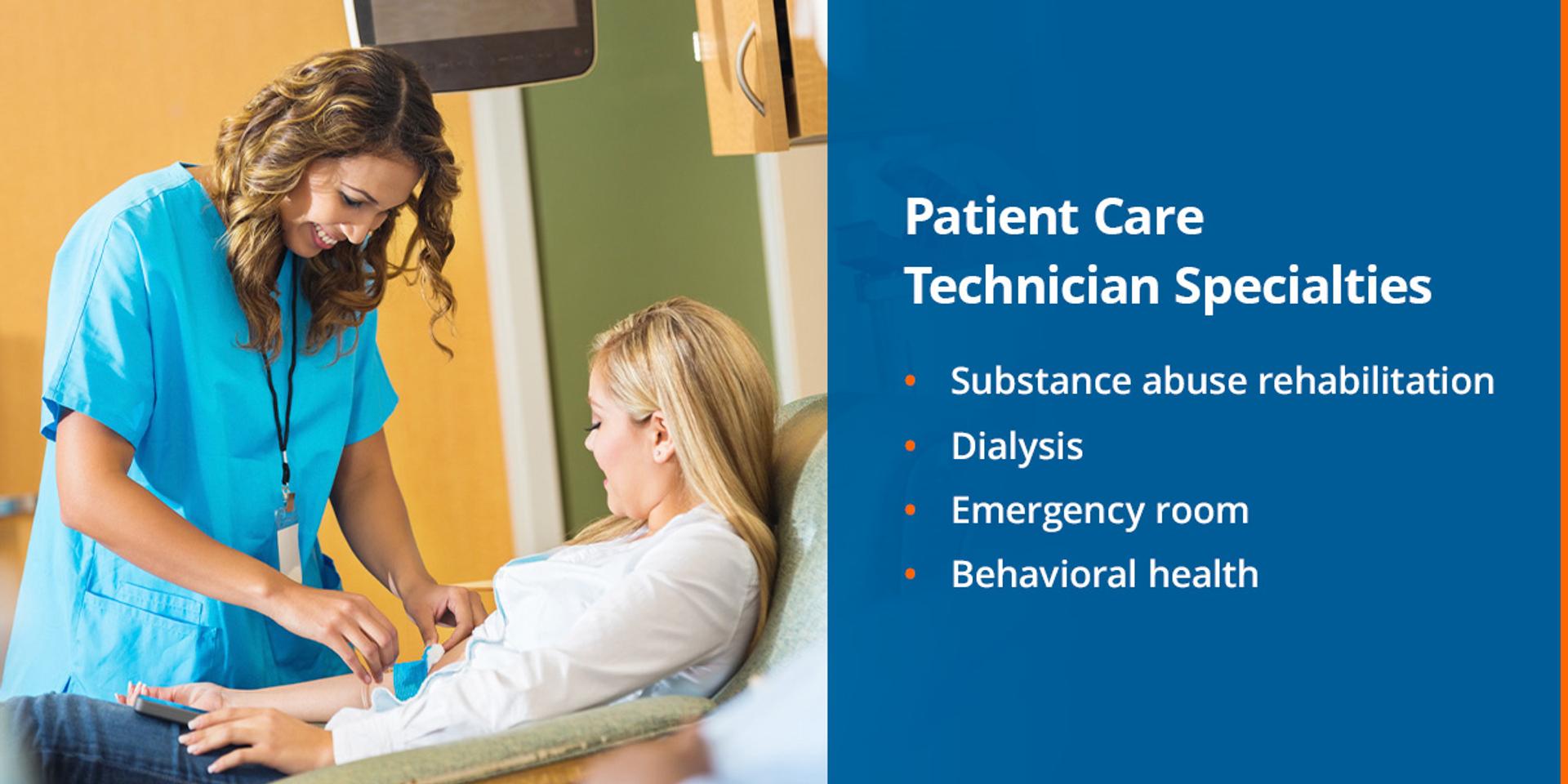
Patient care technician jobs involve delivering direct bedside care, performing basic diagnostic tests, and supporting registered nurses in hospitals, clinics, and long-term care settings. Core duties include monitoring vital signs, performing venipuncture, conducting 12-lead ECGs, and assisting patients with activities of daily living. Most employers require a high school diploma, BLS certification, and a nationally recognized PCT credential such as the CPCT/A.
Entry-level healthcare careers can feel like a maze. The titles blur together—CNA, PCA, MA, PCT—and employer requirements shift depending on the state, the facility, and the unit. Someone researching patient care technician jobs for the first time might spend hours comparing overlapping credentials before finding a clear answer.
This guide cuts through that confusion. Below, you will find a practical breakdown of what patient care technicians actually do each shift, how PCT roles compare to similar positions, which certifications carry the most weight with hospital hiring managers, and how to frame your resume so it clears applicant tracking systems on the first pass.
What Are the Primary Duties of a Patient Care Technician?
The scope of a PCT’s daily responsibilities reaches further than most people expect from an entry-level clinical role. Rather than performing a single task repeatedly, patient care technicians rotate across a range of hands-on functions throughout a single shift.
Diagnostic Testing
PCT professionals perform 12-lead electrocardiograms (ECGs) and configure bedside cardiac monitoring equipment. Accurate lead placement is essential; a misread ECG can delay treatment for a patient experiencing a cardiac event.
Phlebotomy and Laboratory Support
Drawing blood samples through venipuncture and transporting properly labeled specimens to the hospital laboratory fall within standard PCT job responsibilities. Speed and accuracy at this task directly affect how quickly physicians receive results and make clinical decisions.
Vital Sign Monitoring and Documentation
PCTs measure and record blood pressure, heart rate, respiratory rate, body temperature, and oxygen saturation at scheduled intervals. In telemetry units, this documentation happens frequently and feeds directly into the electronic health record (EHR) for nursing and physician review.
Activities of Daily Living (ADLs)
Assisting patients with bathing, oral hygiene, grooming, mobility transfers, and feeding forms a significant portion of the average PCT shift. This type of care directly shapes a patient’s comfort, dignity, and recovery trajectory.
Catheter and Wound Maintenance
Under registered nurse supervision, PCTs manage urinary drainage bags, apply and change basic wound dressings, and track fluid intake and output. Accurate fluid documentation is particularly critical in patients with kidney or cardiac conditions.
For more on related clinical procedures and their impact on patient outcomes, explore the Yonopress Vasopressin Injection guide on Trusted Topics, which covers how critical care medications interact with fluid management at the bedside.
How Do PCT Jobs Compare to CNA and Medical Assistant Roles?
Choosing between a PCT, CNA, or Medical Assistant pathway depends on your target work environment, how quickly you want to enter the workforce, and which technical skills you want to develop.
| Job Title | Primary Work Setting | Core Technical Skills | Average Training Time | Typical Hourly Rate |
| Patient Care Technician (PCT) | Acute Care Hospitals, Dialysis Clinics | Phlebotomy, ECGs, Vitals, ADLs | 2 to 6 Months | $18 – $24 / hr |
| Certified Nursing Assistant (CNA) | Nursing Homes, Long-Term Rehab | ADLs, Patient Mobility, Basic Vitals | 4 to 12 Weeks | $16 – $21 / hr |
| Medical Assistant (MA) | Outpatient Clinics, Physician Offices | Injections, Admin, Charting, Vitals | 6 to 12 Months | $18 – $23 / hr |
The key distinction lies in clinical depth and setting. CNAs complete training faster and enter the workforce quickly, but their scope of practice centers primarily on long-term and rehabilitative care. Medical Assistants split their time between clinical and administrative tasks and work predominantly in outpatient environments. PCTs, by contrast, operate in acute care settings and carry broader technical responsibilities making the role a stronger launchpad for candidates who want hands-on hospital experience from day one.
What Qualifications and Certifications Are Required for PCT Jobs?
Hospital hiring requirements for patient care technician jobs are more standardized than many candidates realize. Most major health systems screen for the following credentials before extending an interview:
Education Baseline
A high school diploma or GED equivalent is the minimum educational requirement across virtually all facilities.
Core National Credential
The Certified Patient Care Technician/Assistant (CPCT/A), offered through the National Healthcareer Association (NHA) or the American Medical Technologists (AMT), is the most recognized PCT-specific certification among acute care employers.
Emergency Care Certification
Basic Life Support (BLS) for Healthcare Providers, issued through the American Heart Association (AHA), is a non-negotiable requirement at nearly every hospital network.
Specialty Certifications That Strengthen Applications
- Phlebotomy Technician Certification (CPT) through NHA or AMT
- Certified EKG Technician (CET) for candidates targeting telemetry or cardiac units
State Registry Considerations
Several states require candidates to hold an active CNA license before PCT cross-training begins. This varies by state and by health system, so verifying requirements with your target employer before enrolling in a training program is strongly advised.
Where Are the Best Work Environments for Patient Care Technicians?
Patient care technician jobs exist across multiple hospital departments and outpatient settings. The best fit depends on the pace, patient population, and technical specialization that appeals to you.
Emergency Departments (ED)
Emergency departments demand rapid triage support, frequent blood draws, and trauma room preparation. PCTs working in EDs must adapt quickly to unpredictable case volumes and shifting patient acuity levels.
Intensive Care Units (ICU) and Telemetry Floors
These units involve continuous cardiac monitoring, frequent repositioning of medically complex patients, and hands-on management of specialized lines and devices under close nursing supervision. Telemetry experience is particularly valued by nursing schools and advanced clinical programs.
Outpatient Dialysis Centers
Dialysis-focused PCT positions center on hemodialysis equipment management, fluid removal monitoring, and vascular access site care. These roles follow predictable scheduling and attract candidates who prefer consistency over high acuity.
Medical-Surgical Units
Med-surg floors balance steady patient turnover with post-operative mobility support, routine lab collection, and ADL assistance. This setting is ideal for new PCTs building core clinical confidence.
Understanding how certain conditions affect patients across these units can sharpen your clinical instincts. The Pinched Nerve in Shoulder guide on Trusted Topics, for example, explains cervical radiculopathy in detail a condition PCTs frequently encounter when assisting with mobility and repositioning in post-surgical and orthopedic settings.
How Can You Optimize Your Resume for Hospital PCT Job Listings?
Most hospital systems route applications through Applicant Tracking Systems (ATS) before a human recruiter ever reads them. A resume that fails to match specific clinical terminology gets filtered out automatically, regardless of the candidate’s actual skill level.
Key Resume Optimization Strategies
- List all certifications explicitly by their full name and issuing body (e.g., “CPCT/A — National Healthcareer Association” rather than simply “PCT certified”)
- Name the EHR platforms you have used, such as Epic or Cerner, since many job postings screen for these directly
- Include specific clinical metrics wherever possible, such as patient-to-tech ratios, shift types (day, night, or rotating), and procedure volumes
Resume Framing: What Works and What Doesn’t
Weak framing: “Assisted nurses on the floor, took patient blood pressures, and cleaned rooms.”
Strong framing: “Monitored and recorded vital signs for up to 12 telemetry patients per shift, performed 15+ daily venipunctures with a documented accuracy rate, and entered all patient care data directly into Epic EHR.”
The stronger version communicates scale, technical competency, and system familiarity—three things hiring managers scan for within seconds.
Is a PCT Career a Smart Entry Point Into Healthcare?
The short answer is yes, and the data supports it. According to the U.S. Bureau of Labor Statistics, employment for nursing assistants and orderlies a category that includes PCT roles—is projected to grow steadily through 2032, driven by an aging population and rising demand for acute and long-term care services.
Beyond job security, the PCT role builds a clinical foundation that transfers directly into nursing, respiratory therapy, cardiovascular technology, and other allied health disciplines. Candidates who enter PCT roles with a clear advancement goal typically accumulate meaningful patient interaction hours that strengthen both nursing school applications and future clinical performance.
If you are managing a condition that affects your physical stamina for the job back strain, nerve issues, or chronic pain understanding the underlying physiology can help. The MAV Dizziness guide and related health content on Trusted Topics provide accessible explanations of neurological and musculoskeletal conditions that frequently appear in the patient populations PCTs serve.
Frequently Asked Questions About Patient Care Technician Jobs
What is the average salary for patient care technician jobs?
Patient care technicians earn between $18 and $24 per hour in most U.S. hospital settings, with total annual compensation ranging from approximately $37,000 to $50,000 depending on the facility, geographic region, and shift differential. Telemetry and ICU units typically offer higher hourly rates than medical-surgical floors.
Is a PCT job a higher-level position than a CNA?
In most acute care hospital environments, yes. PCT roles generally require a broader technical skill set than CNA positions—including phlebotomy and ECG competencies—and pay a higher average hourly rate. However, CNAs can reach equivalent compensation levels in specialized long-term care facilities.
Can you get a patient care technician job with no prior clinical experience?
Some hospital systems hire candidates with no prior experience if they hold the CPCT/A certification and have completed a structured PCT training program. Community colleges and vocational schools often offer combined PCT programs that include clinical practicum hours, which serve as a substitute for prior employment experience during the hiring process.
What shift patterns do PCTs typically work in hospitals?
Most hospital-based PCT positions involve 12-hour rotating shifts, covering either day (7 AM to 7 PM) or night (7 PM to 7 AM) schedules. Some facilities offer 8-hour fixed shifts in outpatient and dialysis settings. Night and weekend shifts typically include a shift differential that increases base hourly pay.
Does working as a PCT improve your chances of acceptance into nursing school?
Working as a PCT provides documented clinical hours, exposure to the nursing workflow, and direct patient care experience all factors that strengthen nursing school applications. Many accelerated BSN and ADN programs specifically value applicants who have worked in bedside PCT roles because those candidates typically demonstrate stronger clinical adjustment during their first year.
What is the difference between a PCT and a Patient Care Associate (PCA)?
The titles are often used interchangeably at the facility level, but a formal distinction exists in practice. Patient Care Associates (PCAs) typically perform ADL support and basic vital sign monitoring, functioning similarly to CNAs. PCTs hold additional certifications in phlebotomy and ECG interpretation and operate within a broader clinical scope. Employers may use either title in job postings, so reviewing the listed responsibilities rather than relying on the title alone is advisable.
Start Your Patient Care Technician Career With Confidence
Patient care technician jobs provide one of the most direct, skill-rich entry points available in acute clinical healthcare. The role covers ground that most entry-level healthcare positions do not—phlebotomy, cardiac monitoring, and hands-on patient management—all within settings where clinical development happens quickly.
Getting the credentials right, framing your resume for ATS systems, and selecting the clinical setting that fits your goals are the three decisions that determine how fast your application moves from submission to interview.
Ready to build your clinical healthcare career on a solid foundation? Explore the full library of health, wellness, and early care guides—including our Cereales Infantile Safe Introduction Guide for Babies—at Trusted Topics to deepen your overall knowledge and prepare for every stage of care.