


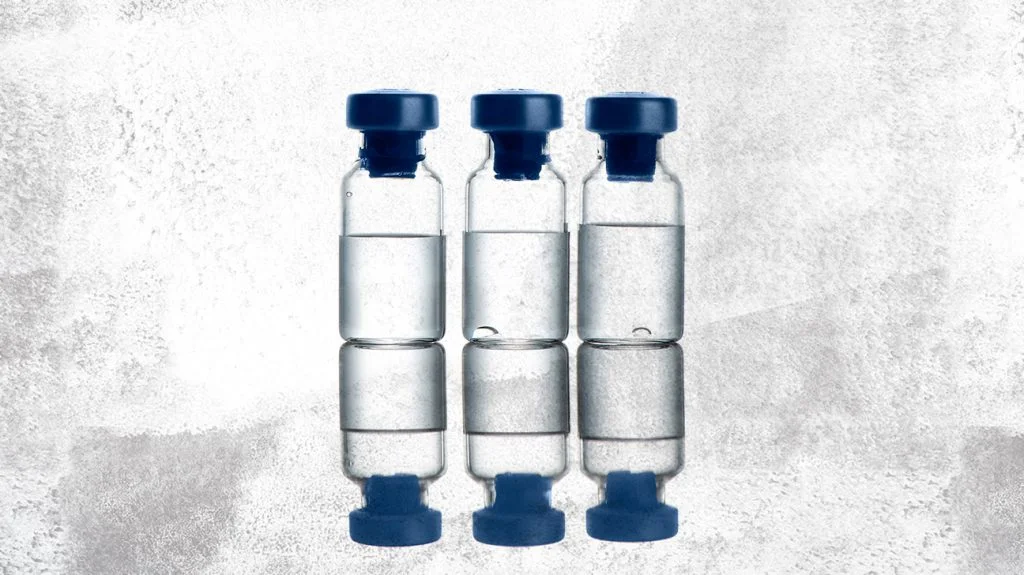
A Toradol shot is an injection of ketorolac, a non-opioid NSAID used to treat moderate-to-severe short-term pain. Relief typically kicks in within 30 minutes to 2 hours and lasts 4–6 hours. Note: the Toradol brand has been discontinued in the US, but generic ketorolac injection remains widely available.
If you’ve ever dealt with post-surgical pain, a debilitating migraine, or a kidney stone, there’s a good chance a healthcare provider has mentioned a “Toradol shot.” Fast-acting and opioid-free, ketorolac injections are a go-to option for short-term pain management in clinical settings. This guide covers everything you need to know—how it works, what it treats, how long it lasts, potential side effects, and what the experience actually feels like.
What is a Toradol shot?
A Toradol shot is an injection of ketorolac tromethamine, a non-steroidal anti-inflammatory drug (NSAID) used for short-term management of moderate-to-severe pain.
Ketorolac works by blocking prostaglandins chemicals your body produces in response to injury or illness that trigger pain, inflammation, and fever. Because it targets the root cause of inflammation rather than the brain’s pain receptors, it’s classified as a non-opioid pain reliever. That distinction matters: ketorolac doesn’t carry the addiction risk or sedation associated with opioids.
The brand name Toradol has been discontinued in the US, but generic ketorolac injection is a standard medication available in hospitals, urgent care centers, and emergency departments nationwide.
What is a Toradol shot used for?
Ketorolac injection is FDA-approved for short-term management of moderately severe acute pain that requires analgesia at the opioid level.
Its most common on-label use is post-surgical pain. But ketorolac is also widely used off-label for a range of acute pain conditions, including:
- Migraines — often given in the ER when oral medications haven’t worked
- Kidney stones — helps manage the intense flank pain caused by passing a stone
- Acute back pain — particularly helpful for muscle spasms and inflammation
- Gout and joint pain flares — reduces swelling and associated pain quickly
- Severe menstrual cramps (dysmenorrhea) — an effective alternative to oral NSAIDs
Because ketorolac is so effective for non-surgical pain, it’s become a staple in emergency medicine—often used before turning to opioids.
How long does a Toradol shot last?
A Toradol shot typically provides pain relief for 4–6 hours. Onset of action is 30 minutes to 2 hours, depending on how it’s administered.
| Route | Onset of Relief | Duration |
| Intramuscular (IM) | 30–60 minutes | 4–6 hours |
| Intravenous (IV) | 15–30 minutes | 4–6 hours |
IV administration reaches the bloodstream faster, which is why it’s preferred when rapid relief is the priority. IM injections take slightly longer but are easier to administer outside of a hospital setting.
How long does Toradol stay in your system?
Ketorolac has a half-life of approximately 5–6 hours, meaning it stays active in your system for roughly 28–33 hours after your last dose.
This is an important distinction: how long pain relief lasts (4–6 hours) is not the same as how long the drug remains detectable or active in your body (up to ~33 hours). The drug clears more slowly in older adults and people with reduced kidney function, which is one reason dosing adjustments are often necessary for these groups.
How fast does a Toradol shot work?
IV ketorolac can begin relieving pain within 15–30 minutes. An IM injection typically takes 30–60 minutes to take effect.
| Route | Time to Onset |
| IV | 15–30 minutes |
| IM | 30–60 minutes |
For severe pain—like a migraine that hasn’t responded to anything else—the IV route is usually preferred in emergency settings because every minute counts.
Toradol shot dosage (IM vs. IV)
Typical adult dosing for ketorolac injection is 30 mg IM or 15–30 mg IV, given every 6 hours as needed. Total treatment should not exceed 5 days.
A few important dosing notes:
- Older adults (≥65 years): Lower doses are generally recommended due to increased sensitivity and slower drug clearance.
- People with kidney impairment: Ketorolac is processed by the kidneys, so dosage reductions are typically required.
- Low body weight (under 110 lbs / 50 kg): Providers may reduce the dose accordingly.
- 5-day maximum rule: Ketorolac should only be used short-term. Using it beyond 5 days significantly increases the risk of serious side effects, including GI bleeding and kidney damage.
This information is for general awareness only—always follow the dosage guidance of your prescribing provider.
Toradol shot side effects
Most people tolerate a ketorolac injection well, but side effects can range from mild (nausea, dizziness) to serious (GI bleeding, kidney problems).
Common side effects:
- Nausea or upset stomach
- Headache
- Dizziness or drowsiness
- Pain or swelling at the injection site
- Sweating
Serious side effects to be aware of:
- GI bleeding or ulcers — ketorolac can irritate the stomach lining, especially with prolonged use
- Kidney damage — risk increases with dehydration, extended use, or pre-existing kidney issues
- Cardiovascular effects — like other NSAIDs, ketorolac may increase the risk of heart attack or stroke with long-term use
When to call your doctor: Seek medical attention if you experience black or tarry stools, blood in your urine, chest pain, shortness of breath, sudden weight gain, or signs of an allergic reaction (swelling of the face, lips, or throat).
Who should not get a Toradol shot? (Warnings & interactions)
Ketorolac is not appropriate for everyone. Several conditions and medications increase the risk of serious complications.
Avoid ketorolac if you:
- Are already taking another NSAID (e.g., ibuprofen, naproxen)
- Use blood thinners such as warfarin or heparin
- Have a history of stomach ulcers or GI bleeding
- Have significant kidney disease or are at risk of kidney failure
- Are in the third trimester of pregnancy
- Are about to have or recently had coronary artery bypass graft (CABG) surgery
Drug interactions are also worth flagging. Ketorolac can interact with ACE inhibitors, diuretics, lithium, and certain antidepressants. Always disclose your full medication list to your provider before receiving a ketorolac injection.
Toradol shot vs. pills vs. nasal spray (Sprix): What’s the difference?
Ketorolac comes in three forms: injection, oral tablet, and nasal spray (brand name Sprix). Each has different onset times, uses, and practical applications.
| Form | Onset | Best For | Notes |
| Injection (IM/IV) | 15–60 min | Acute, severe pain in clinical settings | Fastest relief; requires administration by a healthcare provider |
| Oral tablet | 30–60 min | Transitioning from injection | Used to follow up after an injection; not for initiating treatment |
| Nasal spray (Sprix) | 15–30 min | Moderate-to-severe pain without IV access | Convenient alternative; available by prescription |
The injection remains the most potent and fastest-acting option. Oral ketorolac is typically used as a step-down treatment after the injection phase. Sprix (ketorolac nasal spray) fills a gap for patients who need fast relief but don’t have IV access.
What to expect during and after a Toradol shot

A ketorolac injection is usually given in the gluteal muscle (buttock) or upper arm. The injection itself may cause brief stinging or pressure at the site.
Here’s what the experience typically looks like:
- During: A nurse or provider will clean the injection site, administer the shot, and monitor you for any immediate reactions.
- Afterward: Pain relief usually begins within 30–60 minutes. Some people feel mild drowsiness or nausea.
- Post-injection tips:
- Stay hydrated — ketorolac is processed by the kidneys, and good hydration helps minimize risk.
- Avoid alcohol — combining alcohol with NSAIDs raises the risk of stomach irritation and GI bleeding.
- Driving: While ketorolac isn’t a sedative, some people experience dizziness. Use caution before getting behind the wheel.
How much does a Toradol shot cost?
The cost of a ketorolac injection varies widely depending on the setting and insurance coverage.
- With insurance: Typically covered as part of a broader ER or urgent care visit; out-of-pocket costs depend on your plan’s copay or deductible.
- Without insurance: The drug itself is inexpensive (generic ketorolac is very affordable), but the total cost of an ER or clinic visit may range from $150 to $600+ depending on the facility and location.
- Standalone ketorolac (pharmacy): Oral ketorolac tablets cost as little as $10–$30 for a short course with a GoodRx-type discount.
Always verify costs with your provider or insurer before treatment.
Frequently Asked Questions
Is a Toradol shot a narcotic?
No. Ketorolac is a non-opioid NSAID, not a narcotic. It works by reducing inflammation rather than activating opioid receptors in the brain.
Can you drive after a Toradol shot?
It depends on how you feel. Ketorolac can cause dizziness or drowsiness in some people. Wait until you know how your body responds before driving—and ask your provider if you’re unsure.
Can you get a Toradol shot for a migraine?
Yes. Ketorolac injection is commonly used off-label in emergency departments to treat severe migraines, often when oral or nasal medications haven’t provided adequate relief.
How often can you get a Toradol shot?
Ketorolac can be given every 6 hours as needed, but total use must not exceed 5 consecutive days. Longer use significantly increases the risk of serious side effects.
Does a Toradol shot make you sleepy?
Ketorolac is not a sedative, but some people do experience mild drowsiness or dizziness. It won’t typically cause the heavy sedation associated with opioid pain medications.
Talk to Your Provider
Ketorolac injection is a powerful, fast-acting tool for short-term pain relief—but it’s not right for everyone. If you’ve been offered a Toradol shot or want to know whether it’s an option for your situation, speak with a licensed healthcare provider who can review your full medical history and medications—just as discussing options with a specialist is key when planning structural dental procedures like a bone graft for tooth implants.
In the emergency department, an acute vestibular migraine attack accompanied by severe head pain is sometimes managed with a fast-acting non-opioid injection like a Toradol shot, which targets the same inflammatory pathway driving the headache.
For the two to three days of expected soreness after treatment, over-the-counter anti-inflammatories are usually sufficient, though in cases of more significant post-operative pain some dental offices administer a fast-acting Toradol shot before you leave the chair.